
You call, and we set up a visit
Call or send a request through the form, and we'll get back to you to pick a time for me to come out. Tell us which rooms bother you most so I know where to start looking.
Cold walls, a drafty bedroom, an upstairs that won't cool down. We fill your wall cavities so those rooms stop fighting your thermostat.
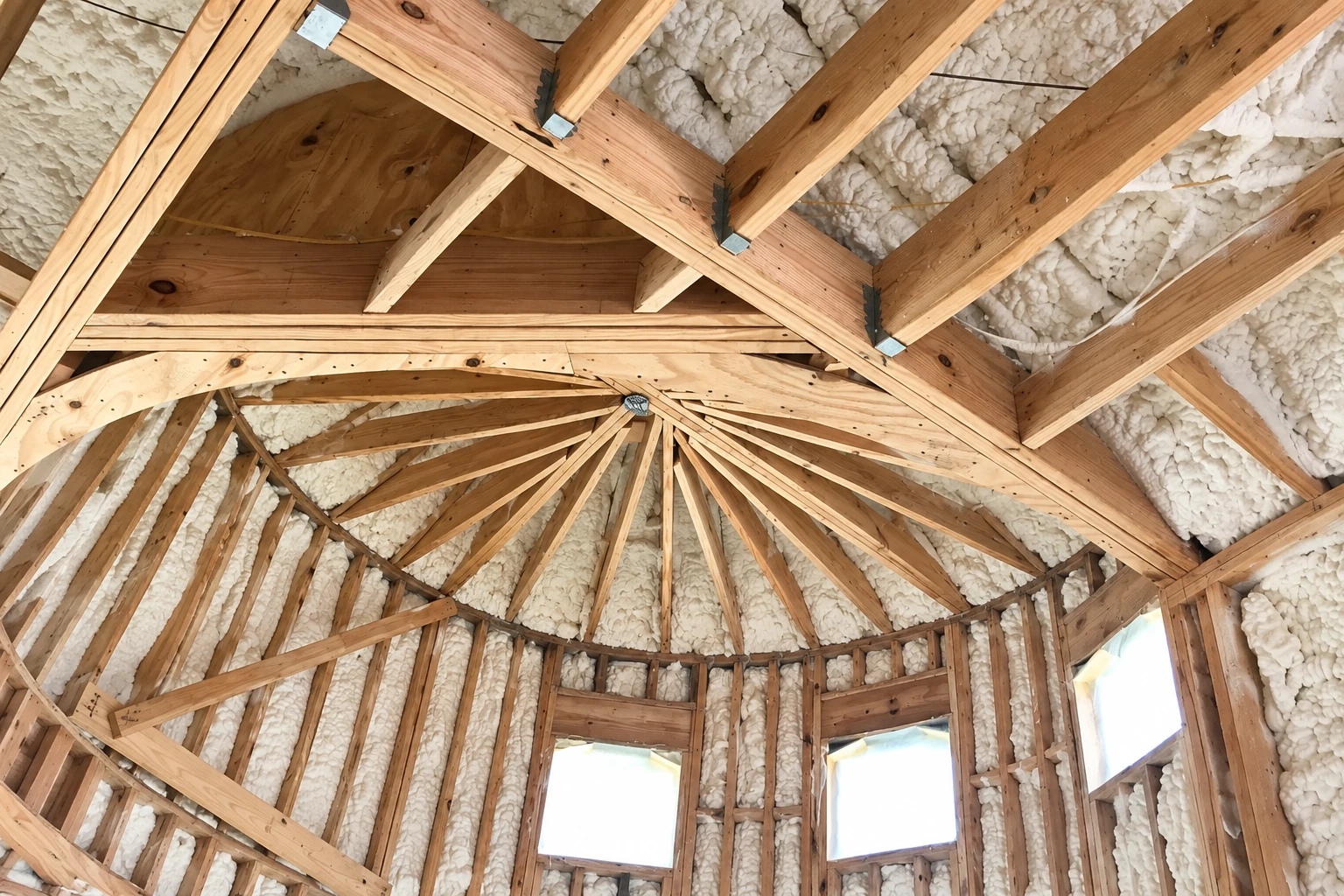
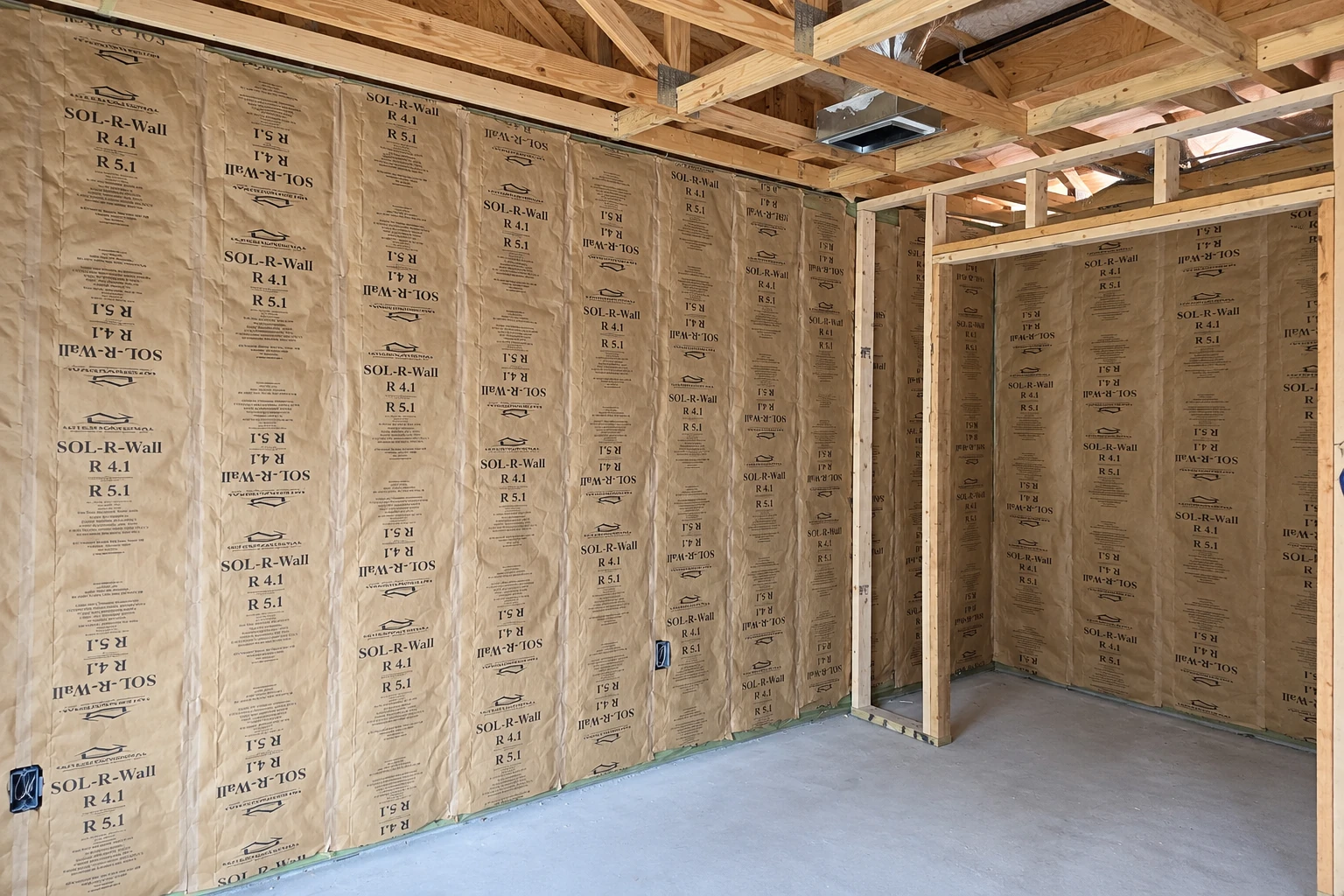
Wall insulation in Merced usually means drill and fill on a house that's already standing. We drill small holes near the top of each wall cavity, from inside or outside, and blow insulation in until the space is full, so your walls stop letting winter cold and summer heat straight through.
Most calls start with a room that never feels right. It might be a bedroom that's hot by late afternoon, a wall that's cold to the touch in January, or a power bill that keeps climbing even though the attic was done years ago. A lot of older houses were simply built with empty walls, and the only way to fix that without tearing out drywall is to fill them from small holes.
The price moves with how much wall we're filling, whether we work from inside or outside, what your siding takes to patch, and what we find behind the wall. Old wiring or water damage has to be dealt with before we fill anything, and that's usually what moves the schedule too. I'll give you a written estimate once I've seen your walls, so you're working from your house's numbers and not a guess.
Here's how it goes from the first call to the last check, and who you'll deal with at each step.
Call or send a request through the form, and we'll get back to you to pick a time for me to come out. Tell us which rooms bother you most so I know where to start looking.
I've run this business since 2017, and I still come out to look at every job myself. I go over your walls and hand you a written estimate that says what I found and what I'd do about it.
Our crew does the job in the order it needs to go, and I check it over before we call it finished. We're licensed and insured. It's satisfaction guaranteed on every job.
I don't drill a single hole until I've looked the walls over for old wiring, water getting in and damage, because insulation packed in around a problem just hides it until it gets worse. Once that's settled, we decide with you whether to fill from inside or outside, and that mostly comes down to how we can reach the cavities and what your siding is. Then our crew blows cellulose or fiberglass into the stud cavities, the spaces between the wall framing, and closes the holes back up.
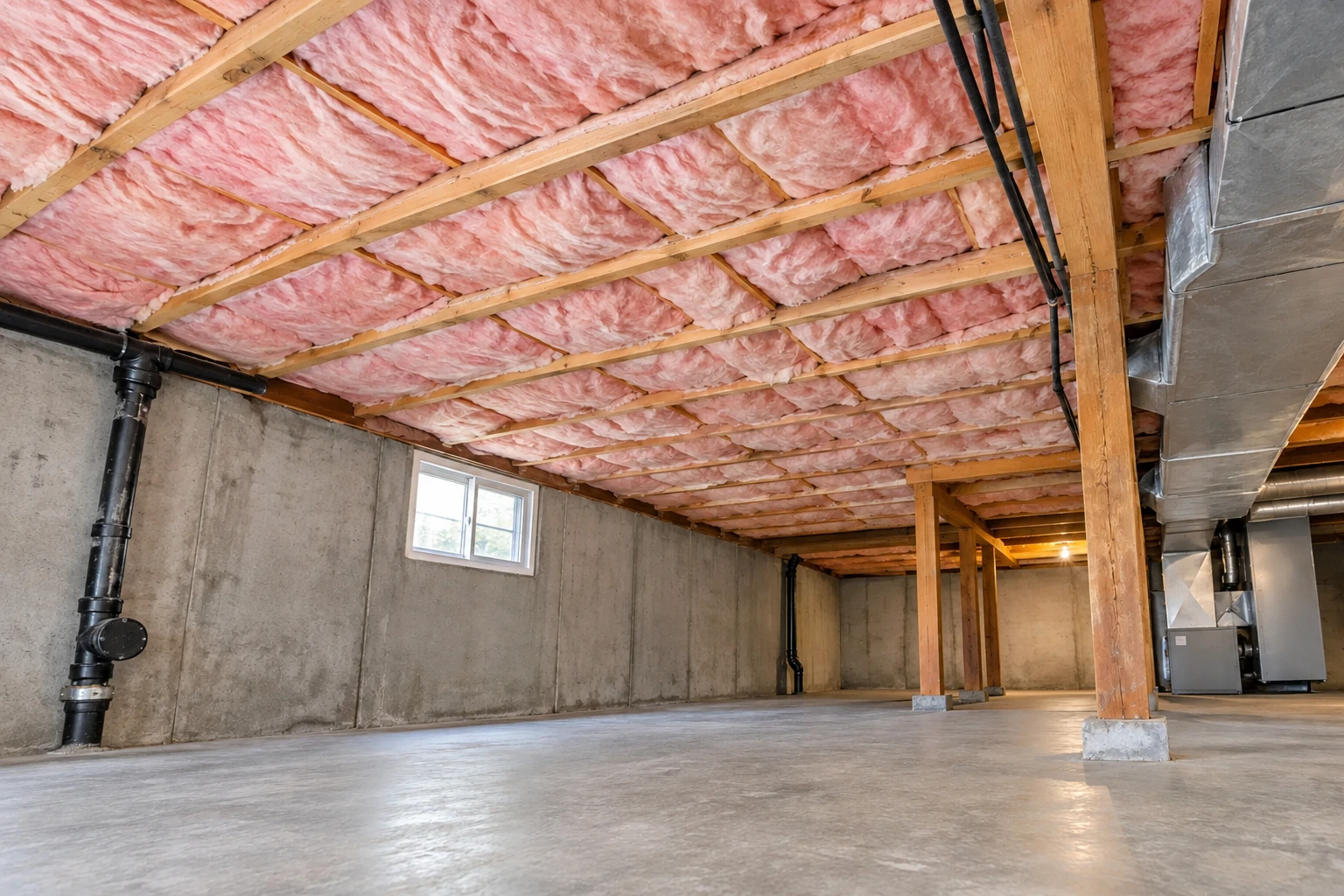
Walls are only part of how a house loses heat. Gaps around outlets, pipes and the attic hatch let air move right past the insulation, so our air sealing services close those up and the new fill isn't fighting a draft. If you have a basement under the living space with cold walls of its own, ask me about basement insulation while I'm there.
On a wall job, doing things in the right order matters more than anything else, so this is the order we keep.
I note any water getting in, old wiring and moisture or pest damage, and you get that list in writing. That way you can have problems fixed first, including any siding or flashing work, the metal that turns water away at windows and joints, before anything goes in the wall.
We cover the floor under each wall we work on, because the dust from blowing insulation goes everywhere if you let it. For work from inside, the federal installer guide also calls for an enclosure around the work area so dust and debris don't spread through the rest of the house.
We pack the insulation in tight, which trades call dense-pack, because it gives you a higher R-value, meaning it slows heat better, and it settles less and cuts the air leaking through the wall. It also pushes hard on the wall, so the cavity has to be sealed and strong enough to take it, and that's part of what I check first.
We plug and patch the holes, vacuum, and carry out everything we brought in. I want you walking into a clean room, not finding insulation dust on the windowsill a week later.
Send the form or call (209) 308-1021, and we'll reply within one business day to set a time for me to come out. The estimate is free, done at your house, and there's no obligation. If you know the year the house was built, what the siding is, or whether there's knob-and-tube wiring, the old wiring strung on porcelain knobs, tell us, because that's where I start looking.
(209) 308-1021Working from inside leaves your drainage plane alone, the paper or wrap behind the siding that sheds water, while working from outside cuts through it, so it has to be patched or replaced. Outside work can also mean pulling a few small pieces of siding, and the patched holes may show unless new siding or trim goes over them. Which side fits your house depends on what that layer looks like now, so I check it before we decide.
A trained installer should do it, because each cavity has to end up filled at the right density, and that's hard to judge from outside a closed wall. In California, the state contractors board has a license class for insulation contractors that covers anyone installing insulation to control heat or sound. It's fair to ask any contractor about their license before they start drilling.
The electrical code doesn't allow insulation on or around knob-and-tube wiring, so if it's in your walls, it has to be dealt with before we blow anything in. Homes built before 1980 can also fall under lead safety rules, depending on how much of the wall gets disturbed. Both are on the list of things I look for first, so you'll know where you stand before any drilling.
Walls aren't on its published list. The Merced County Community Action Agency's weatherization program names attic and subfloor insulation among its services, so it may help with the attic or the floor over your crawl space rather than the walls.
We're based in Merced and work in a lot of the cities around it, north toward Modesto and south toward Madera. Around here we see the same kind of house again and again, older stucco or wood siding over walls that were never filled, with summer heat coming right through them. California's energy code splits the state into climate zones, and its standards for walls and the rest of the house's shell depend on which zone the house sits in, so what's right for your walls follows your address.
One state rule is worth knowing if someone offers to do your walls cheap. The state lets an unlicensed person take a small job only up to $1,000, and only when the work needs no permit and that person has nobody working for them. If someone without a license offers to insulate your walls, that's the rule they'd have to fit inside.
Our hours run seven days a week until 9 at night, so call (209) 308-1021 or use the form whenever it suits you.
If you're not sure your walls are worth filling, call and ask, and I'll tell you straight.
Tell us about your project