
Mon–Fri: 7 AM–9 PM, Sat–Sun: 6 AM–9 PM(209) 308-1021
Reliable Merced Spray Foam InsulationReliable Merced Spray Foam Insulation

Blown-in insulation in Merced CA - an attic sealed first and covered evenly

Hot upstairs rooms and a power bill that climbs every summer usually trace back to a thin attic. We seal it, then fill it evenly.

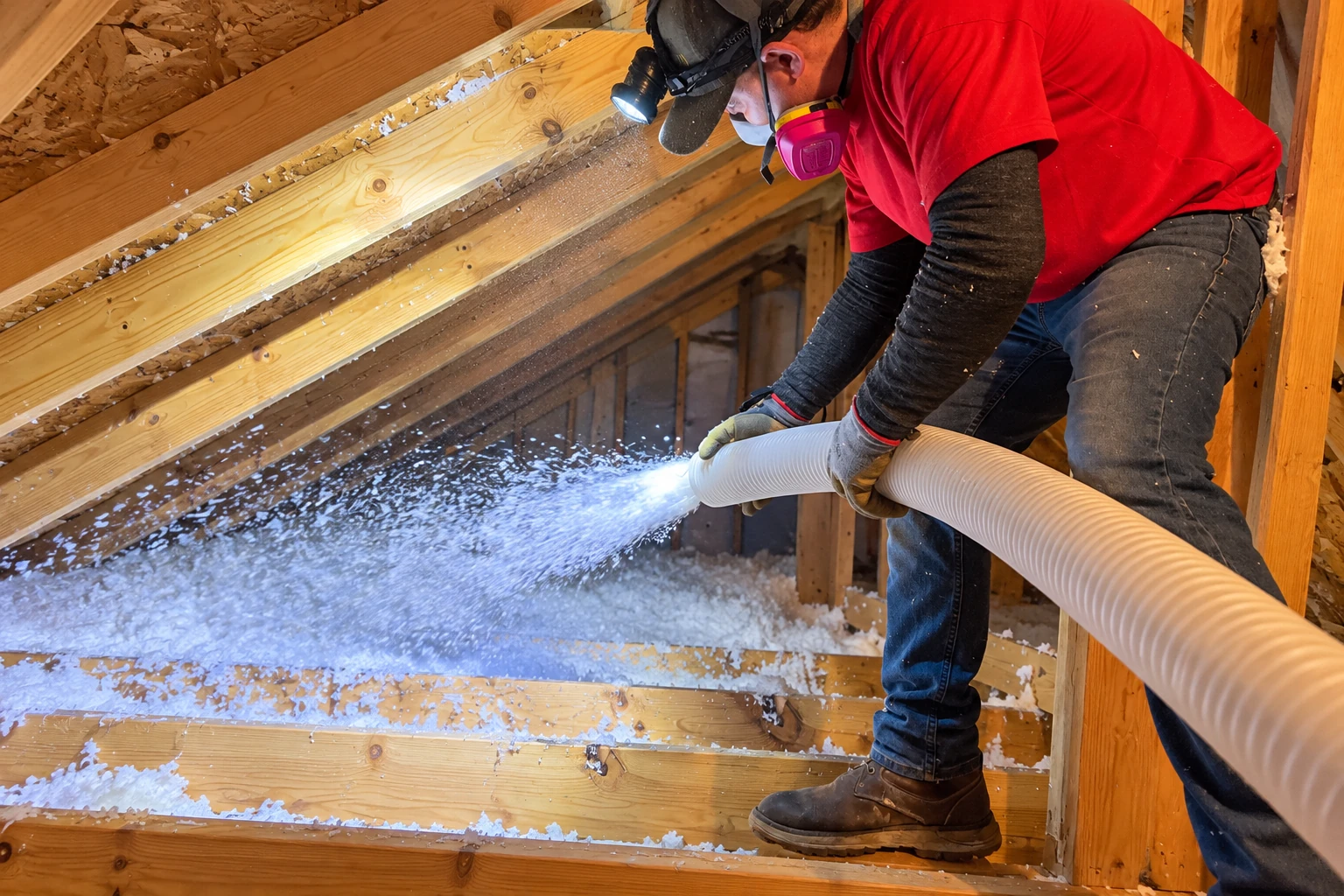
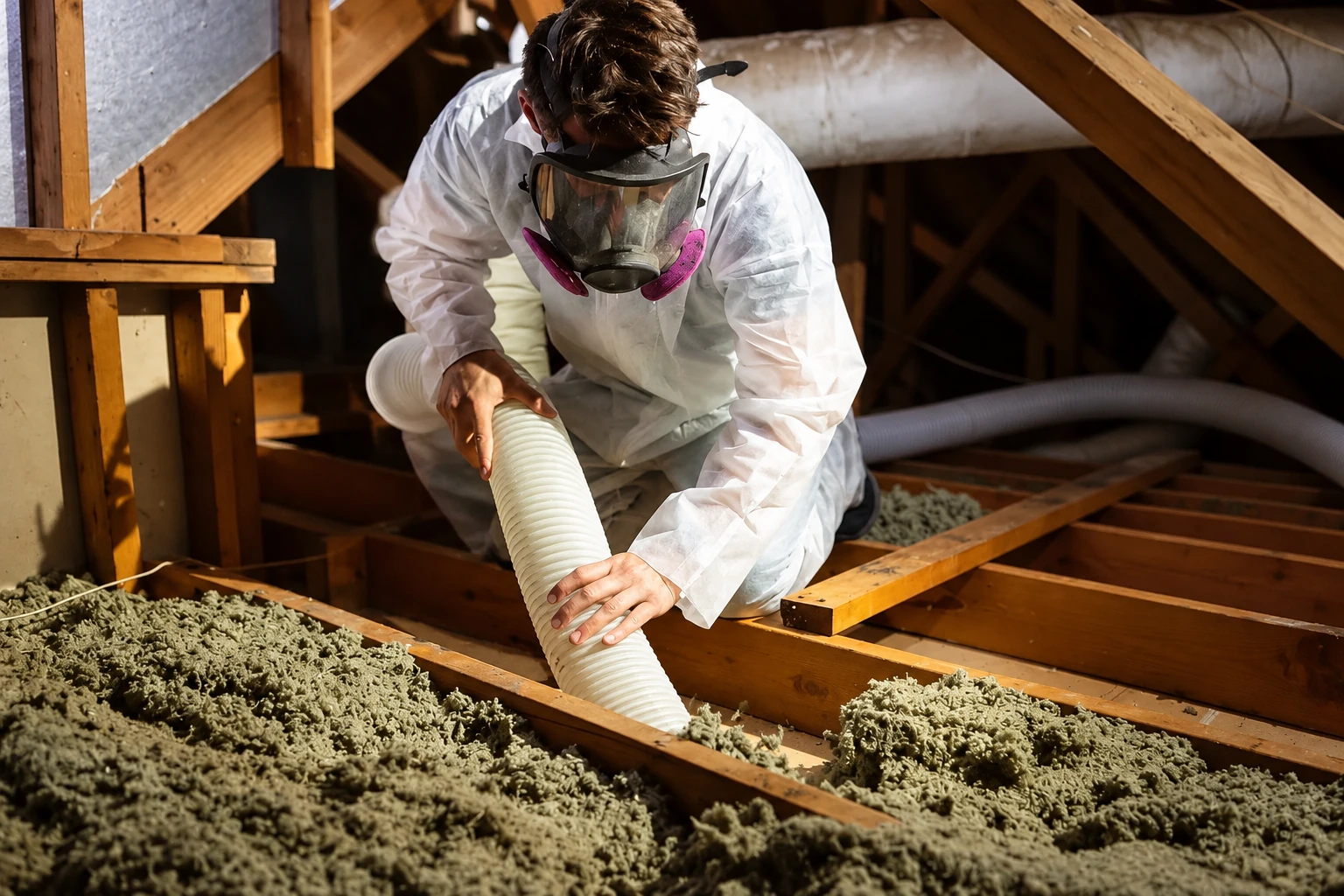
A worker wearing a respirator directs a hose to blow loose-fill insulation across an attic floor.

Is your Merced attic ready for blown-in insulation?

Blown-in insulation is loose cellulose or fiberglass blown through a hose across the floor of your attic so the ceiling holds back heat better, and here in Merced we put it in only after the attic is sealed and any problems up there are dealt with.

Most calls start with an upstairs that won't cool down, a room over the garage that's always the worst one in the house, or a power bill that jumps every July. Many older homes started out with little or no attic insulation, so when I put a flashlight up through the hatch, I'm often looking at a thin, patchy layer that settled years ago.

What moves the price is the size of your attic, how much is already up there and whether it can stay, how many gaps need sealing, and whether anything has to be fixed or pulled out first. The schedule turns on that same list, because a wet spot, a vent problem or old pebble-like fill has to be handled before new material goes in. My written estimate spells out what I found and what it will take, so you see your own number before anything starts.

What happens after you call about blown-in insulation in Merced?

Here's how it goes from your first call to the day we pack up, and who you'll deal with at each step.

I come out and look at your attic myself

Once you call or send a request, we set up a time and I come out in person, the way I have on every job since I started this business in 2017. I go up with a flashlight and a camera, so you see photos of your attic instead of taking my word for it.

A written estimate that lists what I found

I write down what's up there now, the gaps that need sealing and anything that has to be fixed before new fill goes in. If topping up isn't worth the money in your house, I'll tell you that plainly.

Our own crew does the work

The people who show up work for us, so the person who wrote your estimate is the one answering for how the job turns out. We're licensed and insured.

How we put in blown-in insulation

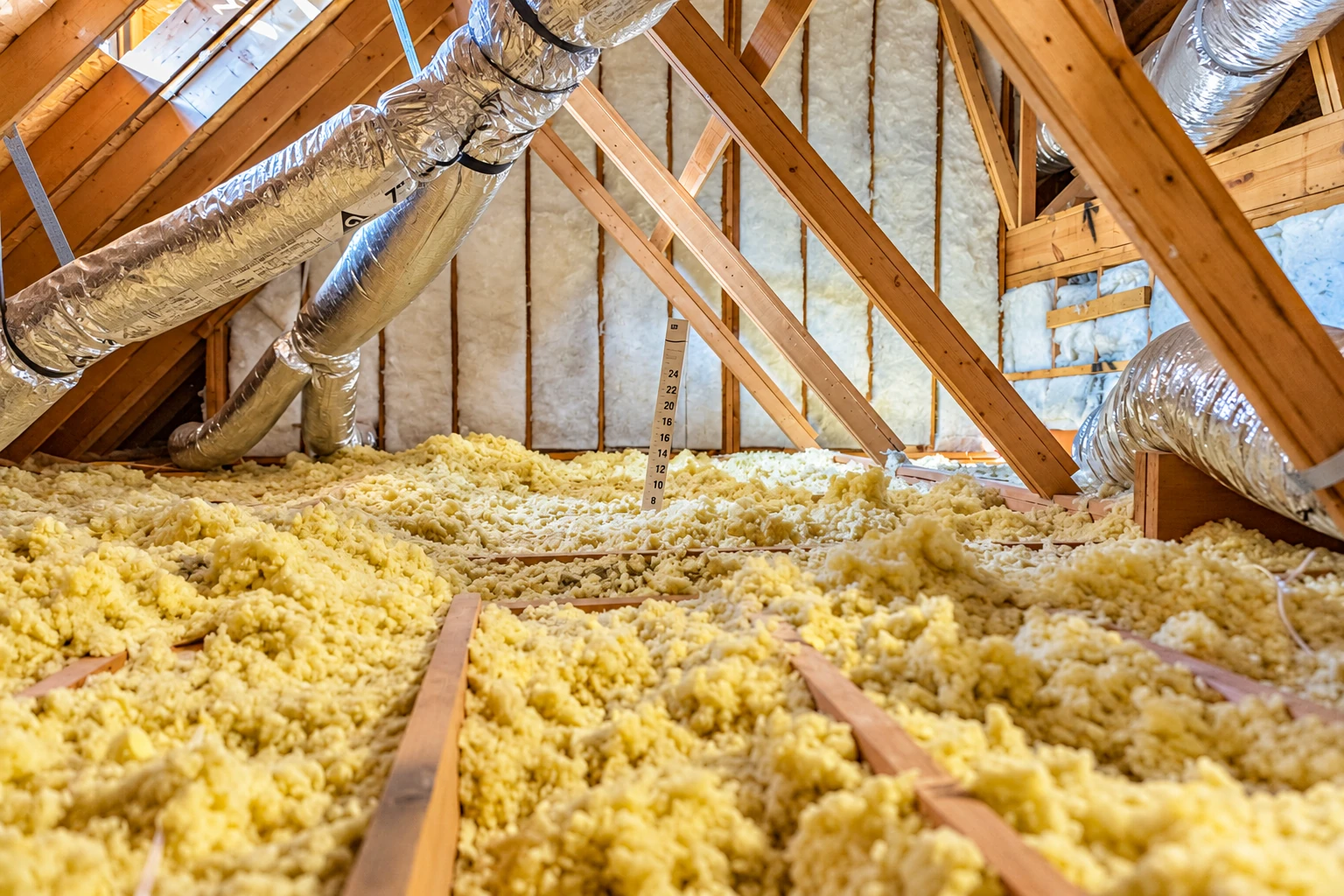
We get the attic ready before any fill goes in, starting with air sealing, which is closing the gaps around can lights, pipes, wires and the attic hatch, because loose fill laid over a draft just lets the air blow through it. Next we set baffles, short channels at the eaves, so the vents stay open and the attic keeps breathing instead of holding moisture in the framing. Then we blow cellulose or fiberglass in at an even depth from wall to wall, and the edges over the outer walls get as much as the middle, since thin edges are where a lot of attics come up short.

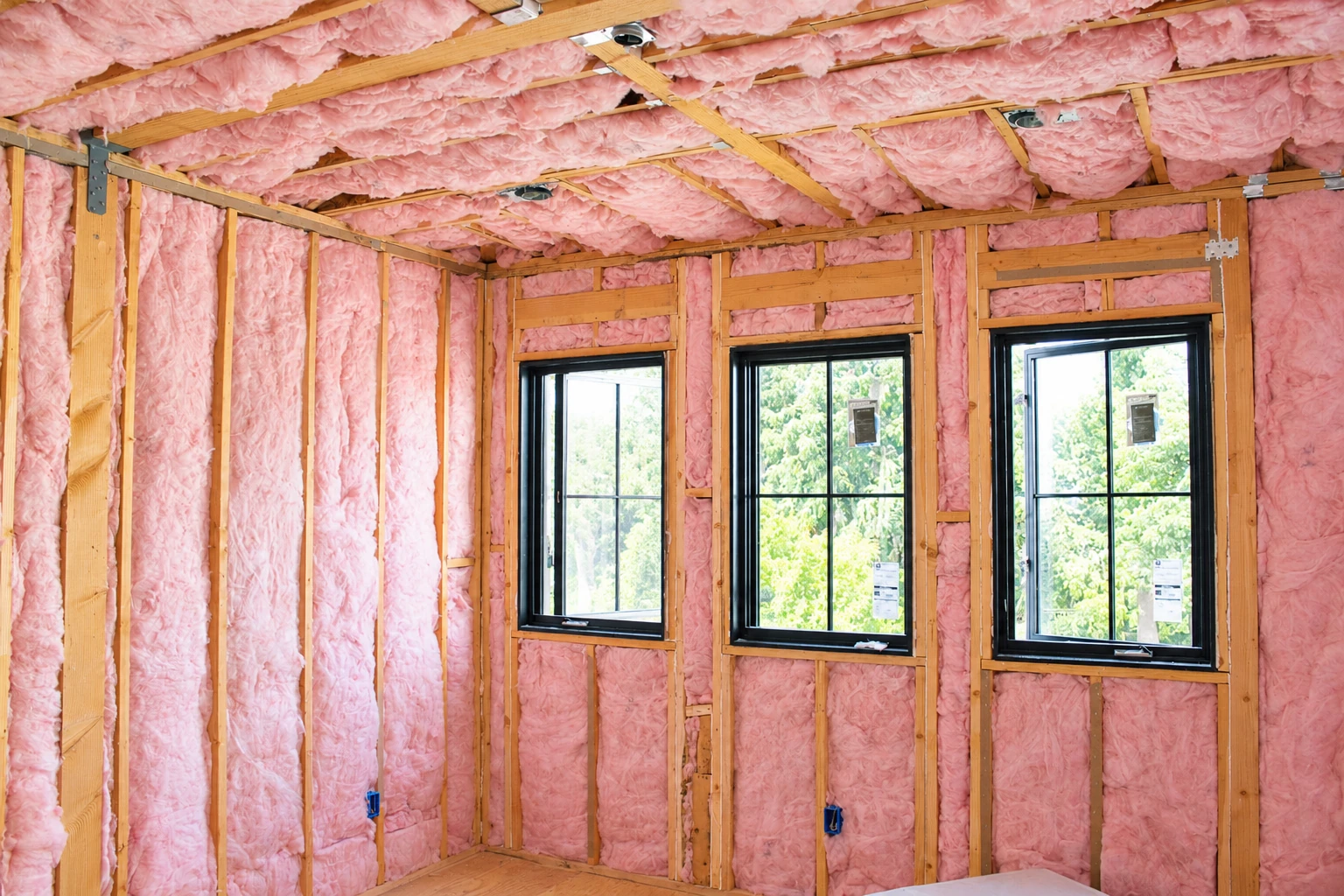
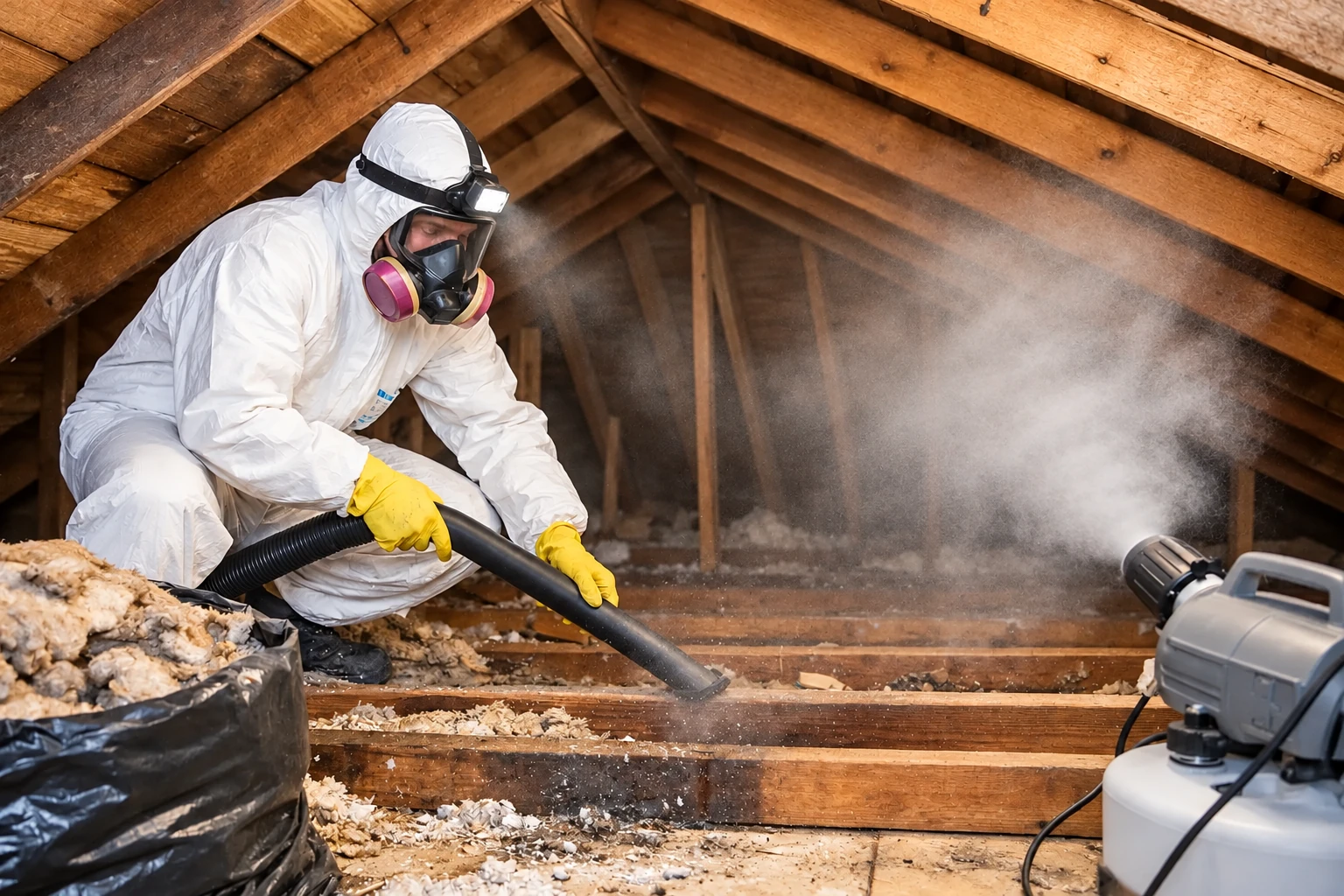
If the old fill is soaked, full of droppings or not worth keeping, insulation removal comes first, because new material on top of a problem only hides it. When the attic is one part of a house that's drafty all over, we look at the walls and floors too as part of home insulation. Foam seals and insulates in one pass but costs more, so for most attics sealing the gaps and blowing in loose fill is the better use of your money, unless your ductwork runs through the attic.

  • A look through the attic, with photos of what's up there now
  • Air sealing around can lights, pipes, wires and the attic hatch
  • Baffles at the eaves so the vents stay clear
  • Blown cellulose or fiberglass at an even depth out to the outer walls
  • Cleanup of the hatch area and the path through your house

How the day goes at your house

Blown-in work happens mostly between the truck and the attic, so here's what you'll see on the day and why we do it in this order.

  1. Cover the path to the hatch

    We lay covers from your door to the attic hatch and run the hose in from the truck, because the dust from this job belongs in the attic and nowhere else. If your hatch is in a closet, it helps to clear it out before we arrive.

  2. Check gas appliances, then seal

    Before we seal, I look at any gas water heater or furnace that vents on its own draft, because sealing an attic tighter can sometimes pull exhaust back into the house. If one could be affected, I tell you before we seal anything, since that has to be sorted out first.

  3. Blow in an even layer

    The crew starts the hose in the far corners and works back toward the hatch, so the depth stays level all the way to the edges. Working wall to wall like this is how we avoid the deep middle and thin edges we find in a lot of attics.

  4. Check the work and clean up

    I go up and check the depth and the vents before we call it finished, and I'll show you photos of the attic when it's done. We clean the hatch area and the path so your house is left the way we found it, and we stand behind it with satisfaction guaranteed on every job.

Get your attic checked and a written estimate for blown-in insulation

Send the form or call (209) 308-1021, and tell us how you get into your attic, whether you have recessed lights, and whether you've seen any gray-brown or silver-gold pebble-like fill up there. We reply within one business day to set up a visit, and I come out, look over the attic and give you a free on-site estimate in writing. There's no obligation to go ahead.

(209) 308-1021

Blown-in insulation questions from Merced homeowners

Why does the attic need air sealing before blown-in insulation?

Loose fill slows heat but doesn't stop air, so it should go in only after the gaps in the ceiling are sealed. A good estimate covers the sealing as well as the insulation, so an estimate that only prices bags of fill is missing half the job.

What attic problems should be fixed before adding insulation?

Wet insulation, moldy or rotted framing, an attic with little or no ventilation, and old knob and tube wiring should all be fixed first, by a professional. When I find one of those, the repair goes into your written plan and budget, so you see the whole picture before you decide.

What should I do if my attic has gray-brown, pebble-like insulation?

Plan on a professional asbestos contractor before any work disturbs it, because pebble-like fill that's gray-brown or silver-gold is usually vermiculite. The EPA recommends that step whenever a renovation would stir it up, so if I see it on my visit, we stop there and that comes first.

Who is licensed to install insulation in California?

California's Contractors State License Board has an insulation and acoustical contractor classification for anyone who installs insulating material for temperature or sound control. Ask any contractor you're considering which state license they hold before you sign anything.

Insulating attics in Merced and the cities around it

We're based in Merced and work in many cities around it, north toward Modesto and south toward Madera, including Atwater and Turlock. Most of the calls sound alike wherever we go. It's an upstairs that won't cool off in summer, a room over the garage nobody wants to sleep in, or an older house where the attic layer has settled thin.

California's Energy Code covers changes to existing houses, not only new ones, so the insulation that goes into your attic falls under the state's current energy standards. New attic insulation should meet or beat what the code calls for, so treat the code level as the floor when you compare estimates.

Have us look in your attic first

A flashlight and a few photos tell us more than a guess over the phone, and they show you whether your attic needs a top-up, a cleanout or nothing at all.

If you've got questions about what's in your attic, call or send us a note and we'll talk it through.

Tell us about your project
(209) 308-1021Get an estimate