
Mon–Fri: 7 AM–9 PM, Sat–Sun: 6 AM–9 PM(209) 308-1021
Reliable Merced Spray Foam InsulationReliable Merced Spray Foam Insulation

Commercial insulation in Merced CA - a building that holds its temperature

Metal building hot by noon or loud in the rain? We insulate commercial roofs and walls so the space holds its temperature and stays quieter.

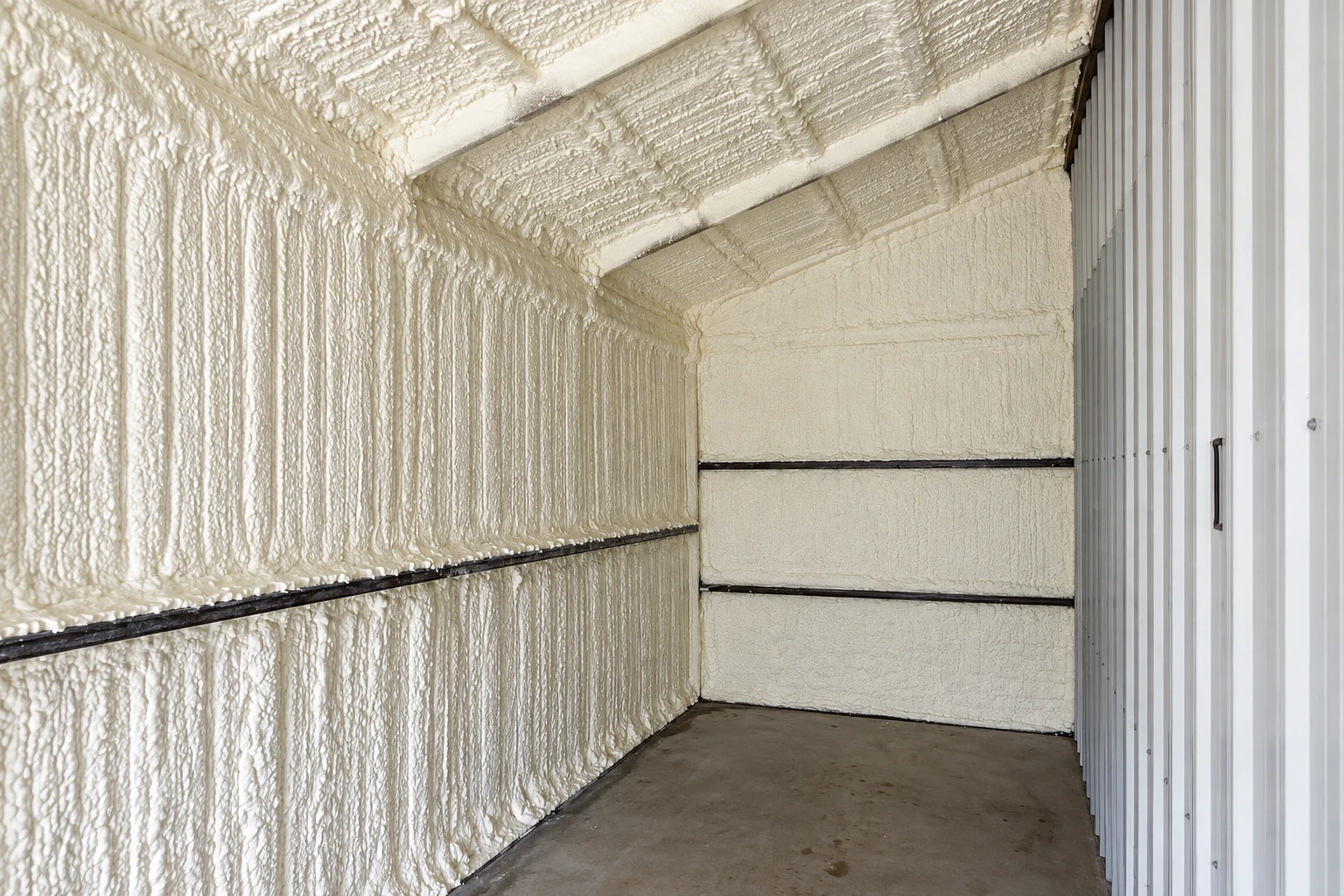
A metal-walled commercial space has thick white spray foam covering its ceiling and walls.

What does it take to insulate a commercial building in Merced?

Commercial insulation in Merced goes into the roof and walls of a shop, warehouse, office or metal building to slow the heat moving through them, so the space holds the temperature you set and uses less energy doing it.

Most calls I get from property managers start with a building that bakes by early afternoon, a power bill that climbs every summer, or a metal roof you can hear every time the wind picks up. Usually the cause is thin or missing insulation under the roof, gaps nobody sealed, or old material that got wet from a leak and stopped working.

The price moves with how much roof area we're covering, whether we work from above or under the deck, how easy that space is to reach and which material fits. The schedule mostly turns on whether the insulation is tied to a reroof and whether a permit is needed. Your own figure comes from the written estimate I put together after I've looked at the building.

What happens when you call us about a commercial building?

You deal with the same person from the first look to the final check, and you get what I find in writing.

I look at the building myself

I come out to every job, go up on the roof and into the space under it, and take photos so you can see what's there too. I started this business in 2017, and I still write down what I find before I ever put a number on it.

A written estimate you can take to the owners

The estimate lays out the roof area, the approach I'd use and why, and anything I think isn't worth the money. If a job doesn't make sense for your building, I'll tell you that instead of quoting it.

Our own crew, checked before we finish

We're licensed and insured, and the people working in your building are our crew. They do the steps in the order the job needs, and I go over the work myself before we call it done.

How we approach commercial insulation

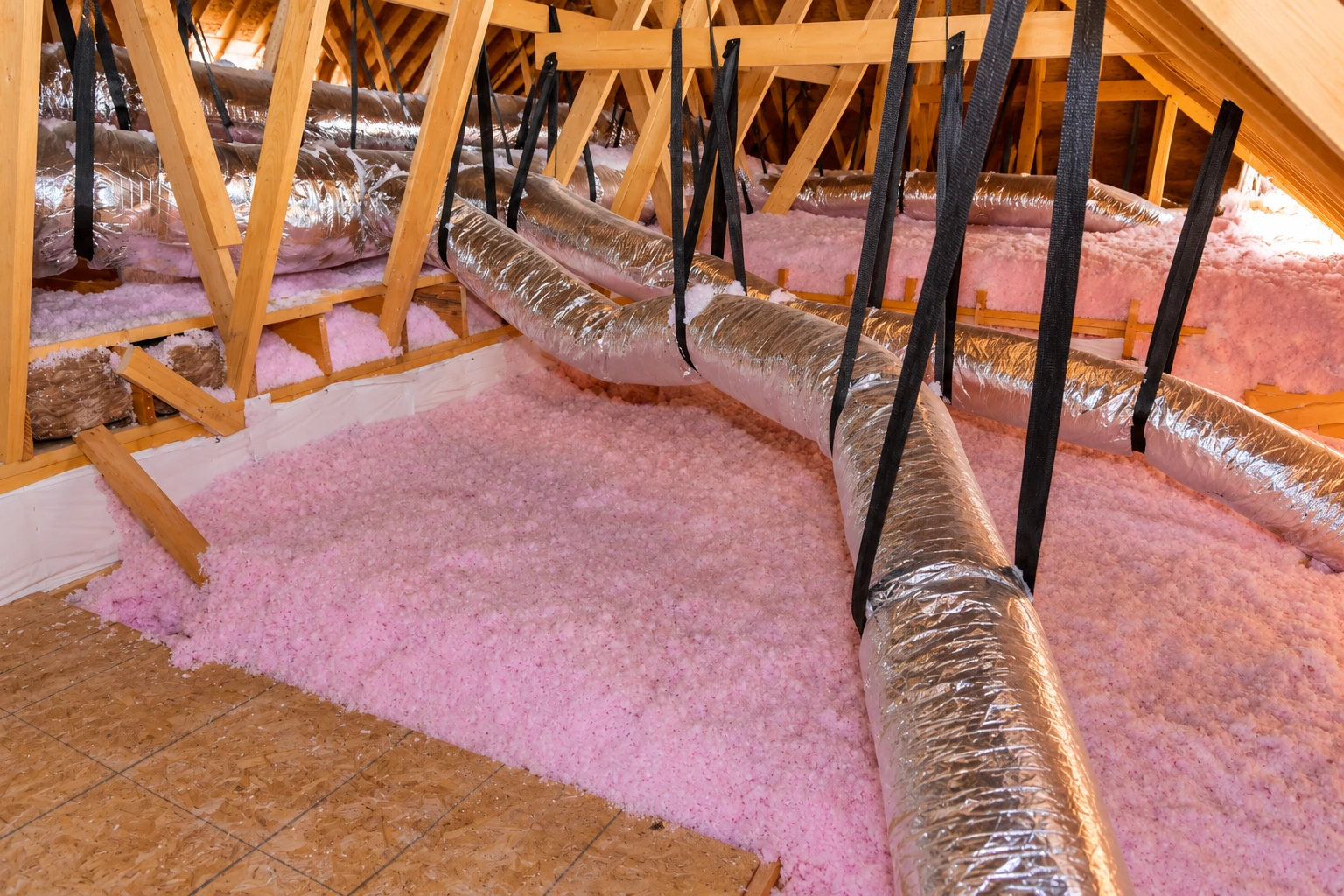
I start with the roof, its condition and how much of it the work covers, because that decides which approach makes sense. A sound roof that's due for a recover points one way, a roof that's coming off points another, and a building where we can get under the deck may not need the roof touched at all. Foam costs more but seals air while it insulates, so I use it where ductwork or equipment lives up there, and on simpler buildings sealing the gaps and using a less costly material usually does the job.

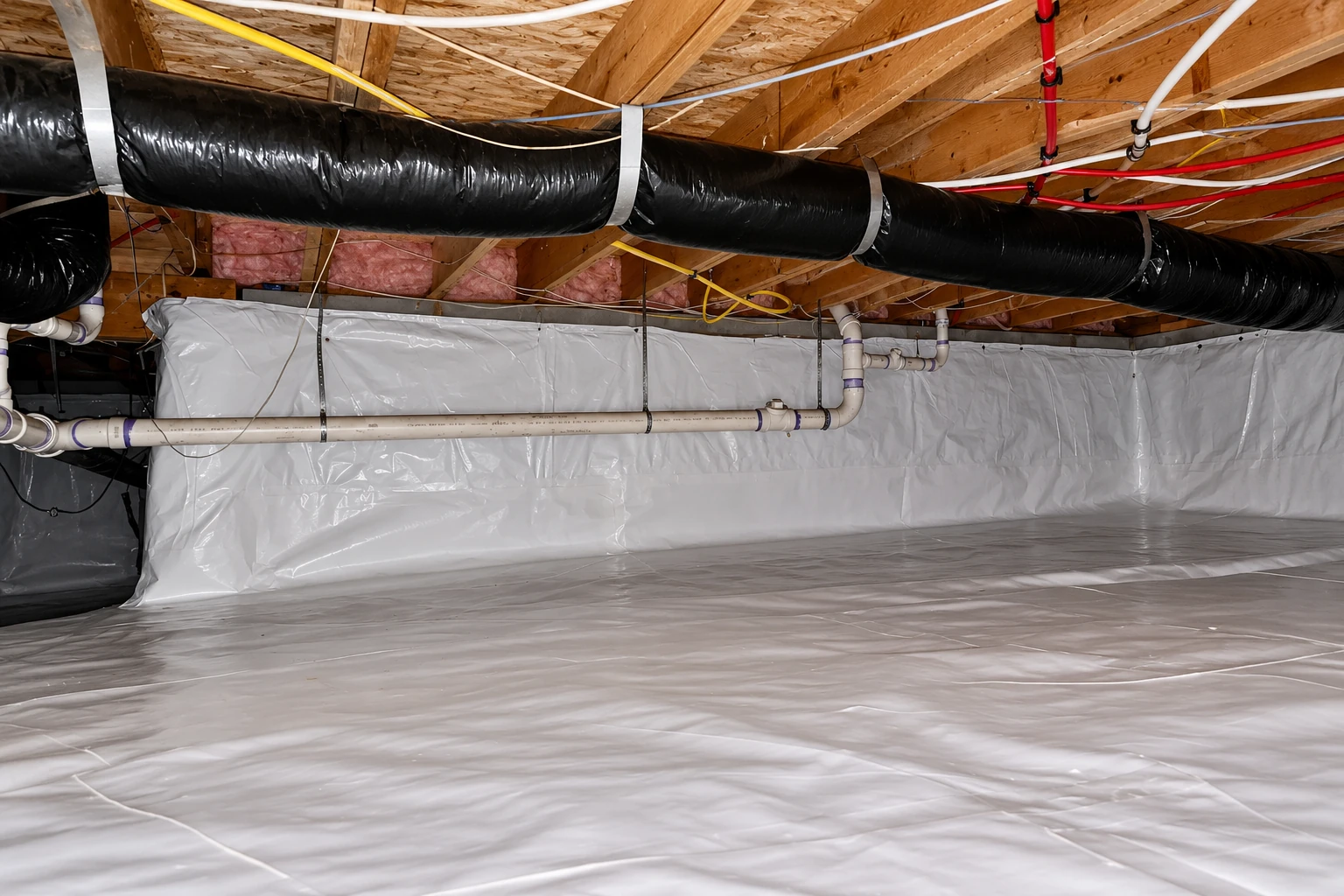
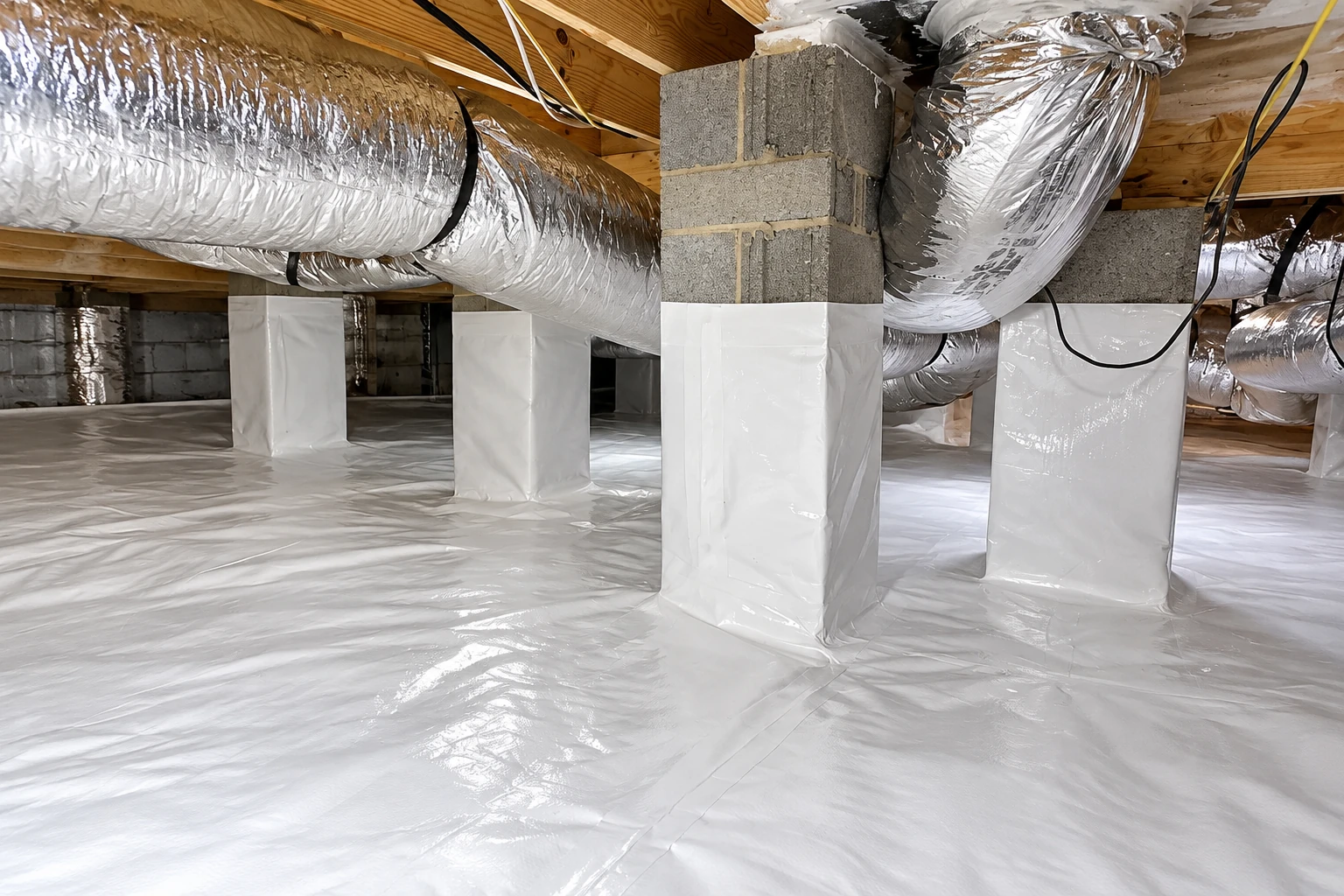
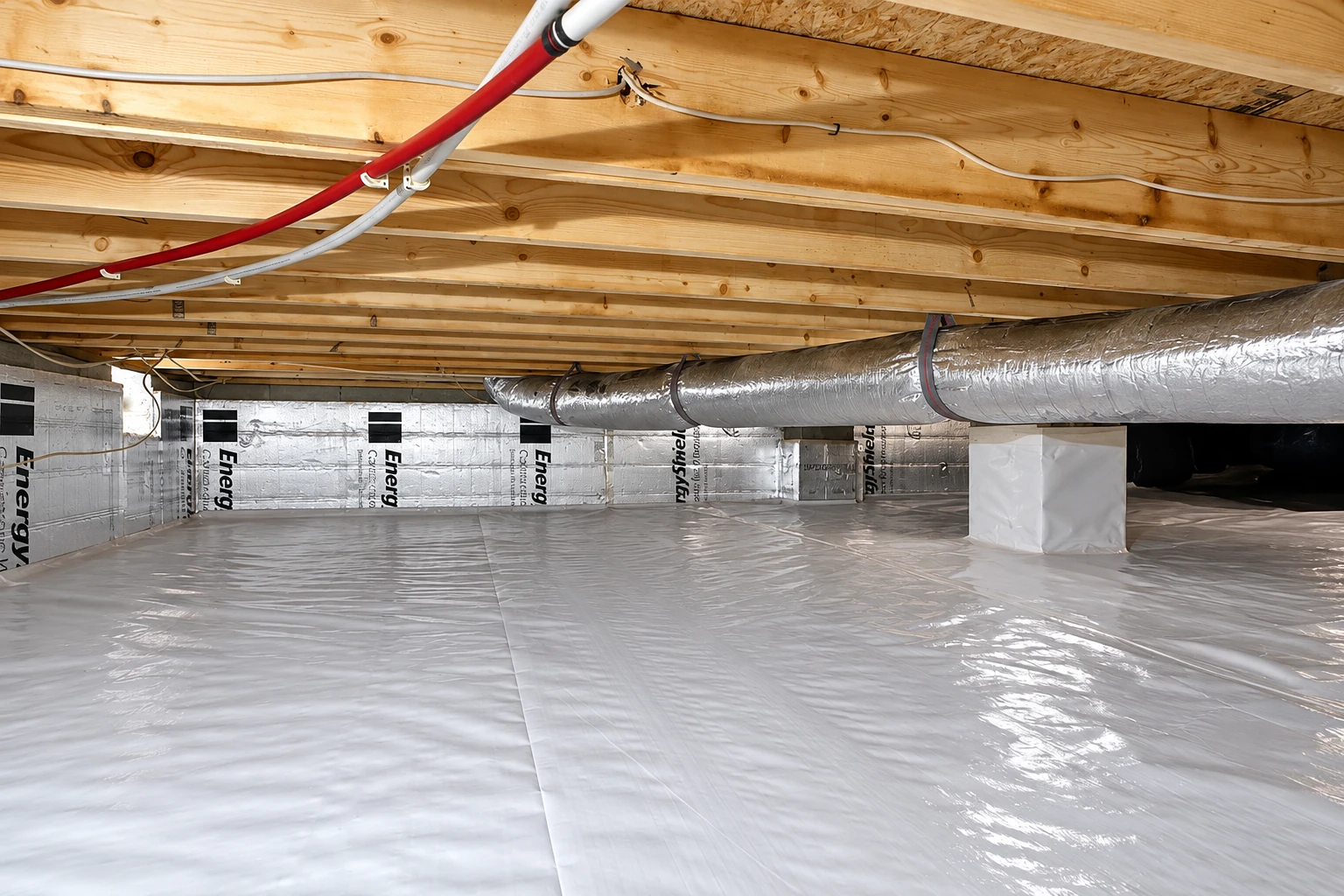
Moisture is part of the same job. If the building sits over a crawl space, a crawl space vapor barrier keeps ground damp out of the floor framing, and where condensation shows up on walls or under a roof, we handle it with vapor barrier installation alongside the insulation.

  • A look at the roof's condition and how much of it the job covers
  • Wet or damaged insulation removed before new material goes in
  • Gaps around pipes, vents and roof penetrations sealed first
  • Foam or batts picked for your building, not out of habit
  • Work areas cleaned up before we pack the truck

The order we do the work in

Insulation put in over a leak or a problem is money wasted, so the order matters more than the material.

  1. Find the problems first

    We look for leaks, rust and stained deck before anything else, because new insulation over a wet spot just hides it. If the roof needs a roofer, I tell you before we go any further.

  2. Pull out what can't stay

    Old insulation that's soaked, sagging or full of droppings comes out, since it won't do its job and it holds moisture against the deck. We bag it and haul it as we go.

  3. Seal, then insulate

    We close the gaps around pipes, vents and openings first, so the new layer isn't fighting a draft. Then the insulation goes in at an even depth out to the edges, because thin spots at the walls are where heat gets through.

  4. Check it and clean up

    I walk the finished work myself and show you photos of it, and the crew cleans up before they leave. Satisfaction guaranteed on every job.

Get a written estimate for your commercial building

Send the form or call (209) 308-1021, and we'll get back to you within one business day to set up a visit. I come out, look at the roof and the space under it, and give you a free written estimate with no obligation. It helps to have the building type, the roof's condition and a rough roof area ready, since the size of the job decides whether the state's roof rules come into play.

(209) 308-1021

Questions property managers ask about commercial insulation

Does replacing the roof on a commercial building in Merced bring in insulation rules?

Yes, once the work covers 50 percent or more of the roof or more than 2,000 square feet, whichever is less, California's Energy Code roof rules apply. Small repairs fall outside them, but any area that's replaced or recovered has to be insulated to the level the code sets. I measure the roof area for the estimate so you know which side of that line your job falls on.

Can a new roof go over the old one on a commercial building?

Usually once, and only if the old roof is in good condition. A recover puts a new covering over the existing roof without tearing it off and typically costs less than replacing it, but a roof usually gets one recover before it has to come off. That's why I ask about the roof's history and how many layers are up there before we talk about insulation.

Is it better to insulate on top of a commercial roof or under the deck?

Under the deck is often the simpler choice when we can reach it, because it leaves the roof's flashing height alone and in some cases costs the least. Adding insulation on top can change the height of the base flashing, the seal turned up where the roof meets a wall or curb, so curbs or counterflashing may need raising. If faced batts go under the roof with an air space below them, state standards count that facing as exposed, so it has to be a fire-retardant facing tested and certified for flame spread and smoke.

Which license covers insulation work in California?

The Contractors State License Board's C-2 Insulation and Acoustical Contractor class covers installing any insulating material for temperature or sound control. It's fair to ask any contractor you're considering which license they hold before you sign anything.

Is closed cell or open cell foam better for a commercial building?

As a general rule, closed cell foam is about twice as energy efficient per inch as open cell, which is part of why it costs more, while open cell is a much better sound barrier. When heat is the complaint, I usually lean toward closed cell. When it's noise in an office or meeting space, open cell does more for the money.

Insulating commercial buildings in Merced and nearby

Before any roof or insulation work starts, we check whether the address falls under the city or the county, and if the job needs a permit we take care of it and set up the inspection. For county addresses, the Merced County Building & Safety Division takes commercial permit applications, and its list names roofing and alteration work but not insulation on its own, so ask the division if you want that settled before we start.

Two state requirements shape what goes on a roof here. The insulation level the Energy Code asks for on a roof replacement or recover depends on the climate zone the building sits in, and only insulation certified by the state Department of Consumer Affairs can be installed, which the agency enforcing the code can check against the department's directory. We're based in Merced and work in many cities around it, north toward Modesto and south toward Madera.

Call us before the reroof is scheduled

Insulation is easiest to plan while the roof work is still on paper, so a call to (209) 308-1021 now gives you more choices about how it goes in.

Tell me what kind of building you have and what the roof's been doing, and I'll come take a look.

Tell us about your project
(209) 308-1021Get an estimate